
Infection control in correctional and detention settings is not just a healthcare issue. It is an operational priority that affects housing units, intake areas, transportation and shared spaces. High population turnover and close quarters make consistency especially important.
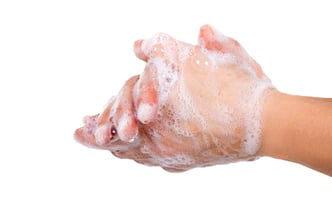
The most effective infection control strategies are also the most practical. Reliable access to soap, hygiene items and cleaning supplies creates a strong first line of defense. When these basics are always available, compliance improves and risk drops.
Routine cleaning schedules also matter. Clearly defined responsibilities and simple checklists help staff maintain standards even during busy shifts. Facilities that standardize products and procedures often find it easier to maintain consistency across units.
Laundry and linen management play a role as well. Clean bedding and clothing reduce the spread of germs and support overall wellbeing. When replacement cycles are predictable and products are durable, facilities can maintain hygiene without constant shortages.
Training is another key piece. Staff and officers do not need complex medical knowledge to support infection control. Clear protocols for glove use, surface cleaning and hygiene distribution go a long way.
Bob Barker Company supports these efforts with a broad range of health and personal care products designed for correctional environments. From hygiene items to medical and wellness supplies, dependable access helps facilities maintain routines that protect both staff and residents.
Infection control does not have to be complicated. When facilities focus on consistency, availability, and simple processes, they build healthier environments that hold up under real world conditions.