Mail remains one of the most important ways residents stay connected to loved ones, but it has also become one of the most common paths for contraband. Substances concealed in envelopes, paper soaked in drugs, and altered packaging have created new risks for facilities across the country. As a result, many correctional leaders are strengthening their mail handling procedures to protect staff and residents.
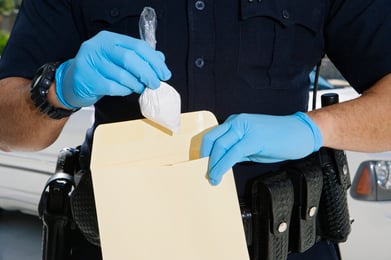 A strong approach starts with layered prevention. Clear mail policies, staff training, and designated inspection areas help create consistency. Some facilities use photocopy systems or third-party screening services. Others tighten controls around acceptable materials and packaging. No single step solves the problem alone, but each layer reduces exposure.
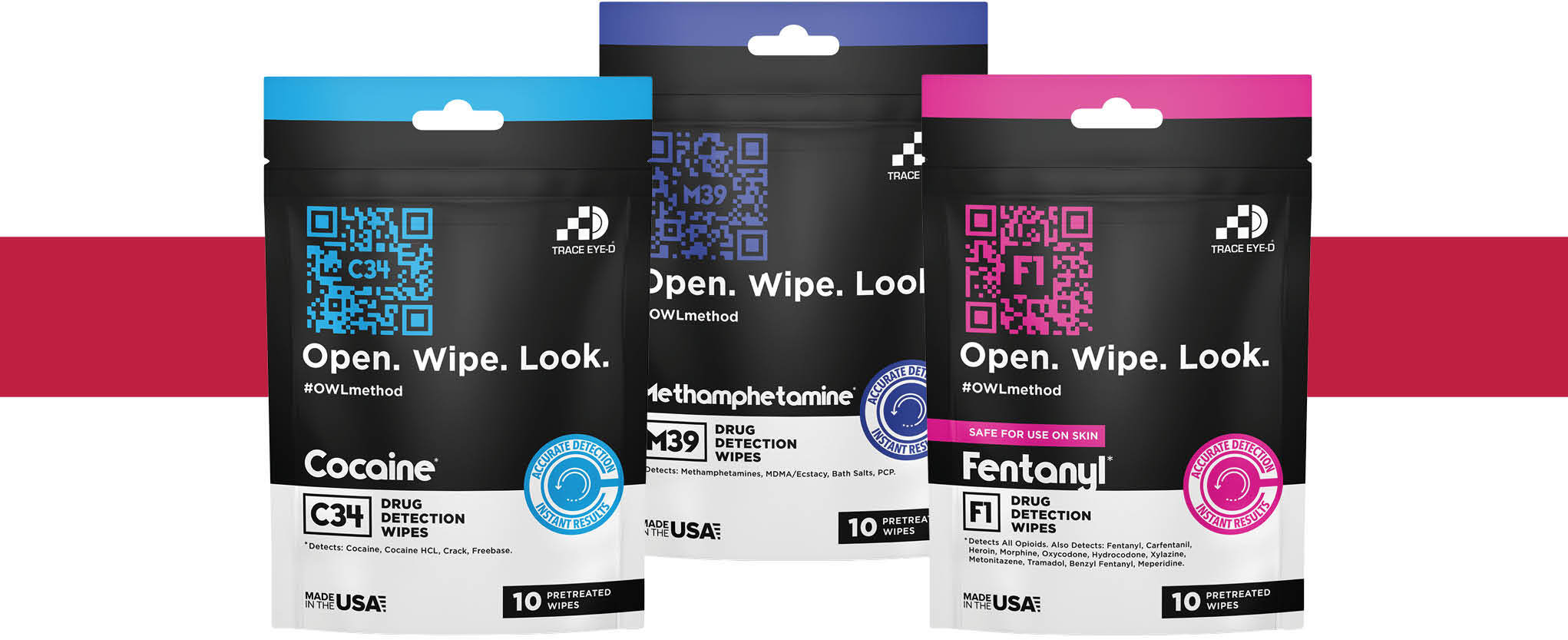
Another important tool is on-the-spot detection. Products like Trace Eye-D safety wipes give staff a fast, simple way to test suspicious surfaces. These wipes are designed to detect trace amounts of substances such as fentanyl, cocaine and methamphetamines. They do not slow down operations and can be used as part of routine inspection protocols. When staff have quick screening tools available, they can make informed decisions without unnecessary disruption.
Prevention also depends on communication. Sharing trends and observations among staff helps facilities stay ahead of new smuggling methods. Regular refreshers on procedures keep everyone aligned.
Bob Barker Company supports facilities with practical solutions that fit into daily workflows. From detection tools to purpose built supplies, the goal is simple: reduce risk while maintaining safe, respectful communication channels. With the right processes and tools in place, facilities can protect their environment without losing sight of the human side of corrections.