 Recreation is often viewed as a secondary function, but structured activity plays an important role in maintaining safety, improving wellbeing, and supporting positive facility culture.
Reducing Idle Time
Providing opportunities for structured physical activity helps reduce boredom and tension, contributing to a calmer environment for both residents and staff.
Supporting Physical and Mental Health
Exercise and recreation support physical health while also offering constructive outlets for stress. Facilities that prioritize structured activity often see benefits in morale and overall stability.
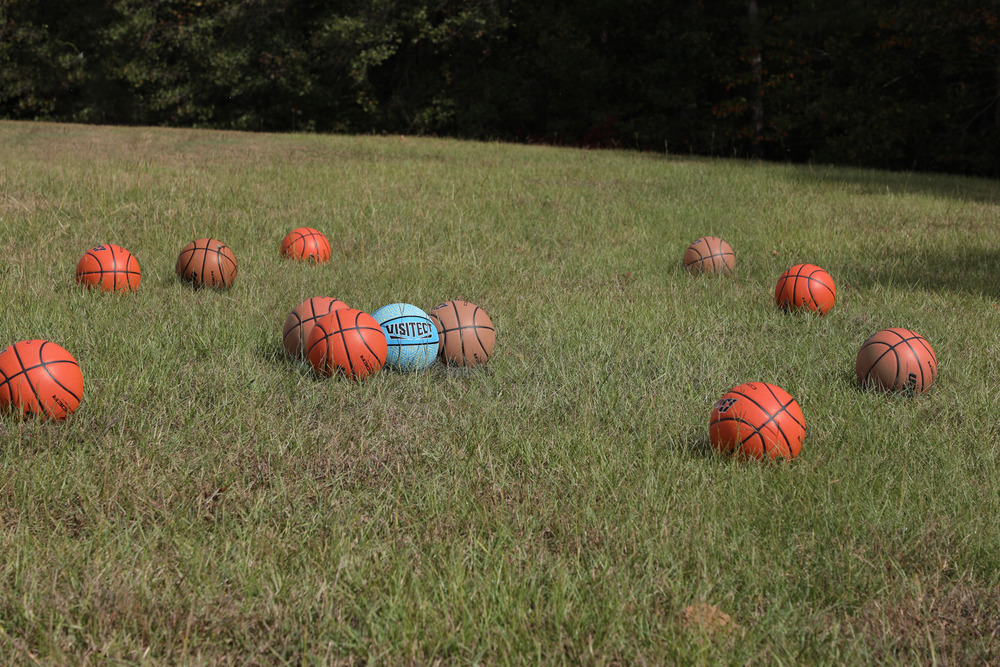
Bob Barker Company supports recreation initiatives by providing exercise equipment, sports equipment and games tailored for correctional environments. From recreation equipment to durable furnishings and facility solutions, purpose-built products help facilities maintain safe and organized activity programs.
Building Structure Through Activity
Structured recreation programs create predictable routines that reinforce accountability and encourage positive engagement.
Recreation is more than an amenity. It is a practical tool that supports safer, more effective facility operations.
Expanding Access to Structured Recreation
Facilities can further strengthen recreation programs by ensuring activities are accessible, consistent and appropriate for different housing units. Not every space is designed for the same level of activity, so having flexible options is key. Simple solutions such as indoor games, low-impact fitness equipment, and structured group activities can help facilities maintain engagement even when outdoor recreation is limited.
Durability and safety should always be considered when selecting recreation equipment. Items designed specifically for correctional environments help reduce risk while standing up to repeated use. This includes products made with flexible or impact-resistant materials that support safe participation.
In addition, incorporating a variety of activities helps meet the needs of a diverse population. Some residents may benefit from physical exercise, while others may engage more with games or structured group programs. Offering multiple options encourages participation and helps maintain a balanced environment.
By expanding access to structured recreation in thoughtful ways, facilities can reinforce routine, improve morale, and support safer day-to-day operations.